


Sippy Cup Cute
$2.08 | 50 piece(Min.Order)
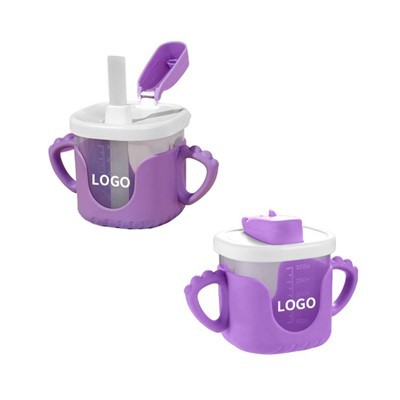
They are a popular option for a transitional cup after your child stops using a bottle but before they are ready for an open "big kid" cup. They are a cup with a lid that has a small spout your child can drink out of. Sippy cups are a good option for young kids who might throw their cups or spill liquids.
- Fast Delivery : within 7-10 working days
- Quality Assurance : Real-time inspection
- 24/7 Service : Contact us anytime
Product Introduction
Company Profile
2015,From a small plant to a compete Group company, KM SUPERB GIFTS mainly design and produce Branding texitle and custom wedding decoration, custom printed table colth,chair cover and barrier cover, custom promotional bags, promotional custom lanyard, custom print flags and so on.
Why Choose Us
Professional Team
We are the direct factory of the wedding texitle products, Equipped with over 500 advanced textilemachines and over 50 technicians,and build solid relationship with the factories who are in the industry of promotional products and business gifts.
Advanced Equipment
Depends on We have 6 production lines, 2 high-end color printing machines,we can process your orders in just 6-8 days.
Rich Experience
With years of experience trading to 4 continents, we are doing business with more than 30 countries especially USA,Canada, France,Germany,Australia etc.
Our Service
We have huge chain in Zhejiang, Guangdong province, so we can meet your various sourcing requested.
We have our logistics warehouse in Yiwu & Shenzhen, it will be helpful for your different batch goods storage.
We can respond to your inquiry within just 1-8 hours, so Choosing us can save your time and energy.
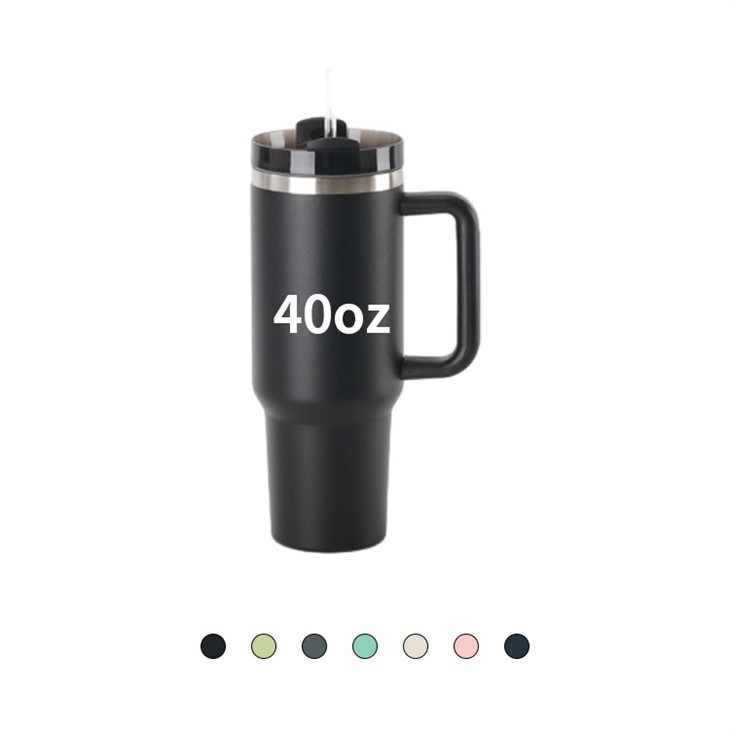
Promotional Stainless Steel Tumblers
Promotional Stainless Steel Tumblers, 40 ounces. No matter your body shape or position, you can find the most suitable cup sleeve.

Ordinary water cups can also shake protein powder, so why are ordinary water cups not recommended?

They can meet the needs of many activities and events, from family gatherings to outdoor trips, energetic exercise classes and business collaborations.

Degradable means something that can be naturally decomposed, such as paper, wood, plants, food, etc., which can eventually be converted into carbon dioxide and water, a common compound in nature, under the action of microorganisms.

This type of beer mug is similar to the traditional German beer mug, which usually has a lid attached to the cup body and a handle.

The capacity of this clear sports water bottle is 302-400ml, and the weight is about 200 grams. It is made of heat-resistant glass.

Glass refers to a cup made of glass, usually made of high borosilicate glass, fired at a high temperature of more than 600 degrees.

Small glass coffee cups are specially improved to meet daily needs. They are equipped with straws.

Travel Mug With Handle And Straw
This 40oz Cup Tumbler has a capacity of 40 ounces and comes with a straw and handle.
They are a popular option for a transitional cup after your child stops using a bottle but before they are ready for an open "big kid" cup. They are a cup with a lid that has a small spout your child can drink out of. Sippy cups are a good option for young kids who might throw their cups or spill liquids.
Using a sippy cup cn help with the process of weaning your child off of their bottle. Bottle weaning should happen between the ages of one and two years old. During this short period of time, a sippy cup may be a useful tool when used in moderation.
Benefits of Sippy Cup Cute
Leak Proof
This is a given. Leaky sippy cups are the WORST! You want to make sure it doesn't have a top that pops off easily (screw-on tops are better than snap-on) and that it doesn't leak when tilted in any direction. Fill it up with water and test it out before you throw away the packaging and receipt. Throw it on the floor, into the air, let it land on the ground, and THEN see if it still holds all the liquids inside.
Handles That Can Be Removed
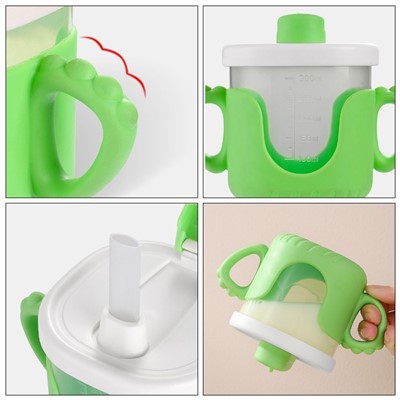
When you are first introducing sippy cups to your little ones handles are a great feature to have. It makes it easier for them to hold and control the cups. When they get bigger those handles aren't as necessary and can be taken off. This will allow for a much longer period of use. Even after your kids are drinking from normal cups, you can still use their sippy cups on-the-go and at nighttime in bed.
Weight at the Bottom of the Straw
If your babies are just starting out with straw sippy cups they might not understand that they need to lift the cup up to get the liquid out. A weighted straw allows your babies to be able to get the liquid regardless of the orientation of the cup.
Ease of Cleaning
When there are too many parts or nooks and crannies to clean, the issue of mold comes into play. Look for cups with parts where you can see everything. There shouldn't be any hidden compartments in the lids where bacteria can get trapped. A sippy cup that is easy to clean will make your life easier and give you peace of mind.
Soft Spout or Straw
If the spout or straw is too hard when your little ones are first starting to use a sippy cup, they may not like it, and therefore not want to use it. Having a soft spout or straw will help them get used to using a sippy cup. As they get older and are comfortable with using them you can buy sippy cups that have the harder spouts and straws.
Hard spout. A traditional sippy cup is a covered cup with a hard spout to drink out of. These cups often have a valve so nothing comes out unless your child sucks on it. This helps to avoid spills but can lead to issues like speech and tooth problems.
Straw cups. This type of cup is a safer alternative to sippy cups. Most kids can use a straw as early as nine months old. There are now no-spill options for straw cups. Some experts recommend cutting the straw down so only your child's lips go around it, not their tongue.
360 cups
These cups have a lid, but they also have a flat edge, and kids can drink out of them at any point along the edge. These are great training tools for learning how to drink out of an open cup.
Weighted cups
These are usually open cups with a weight in the bottom. They are designed to be very hard to tip over, preventing spills.
Two-handled cups
These are also often open cups, but they have two handles to help kids hold them steady and get comfortable using a "big kid" cup.
Preparing the Sippy Cup for Use
Before introducing the sippy cup to your child, it's essential to properly prepare the cup to ensure a hygienic and safe drinking experience. Follow these steps to get the Nuby sippy cup ready for your child's use
Wash Thoroughly
Begin by washing the sippy cup with warm, soapy water. Disassemble the cup, including the spout, lid, and handles if applicable, to ensure thorough cleaning. Use a bottle brush to reach inside the cup and remove any residue or particles that may be present. Rinse the cup components meticulously to eliminate any soap residue.
Sterilize if Necessary
For newborns and younger infants, sterilizing the sippy cup is recommended to maintain optimal cleanliness. You can use a steam sterilizer, boiling water, or a microwave sterilizing bag specifically designed for baby products. Follow the manufacturer's instructions for the appropriate sterilization method and duration.
Inspect for Damage
Before each use, inspect the sippy cup for any signs of damage, wear, or tear. Check the spout for cracks or deformities, ensuring that it is in good condition. Verify that the cup's seals and valves are intact and functioning correctly to prevent leaks during use.
Test Spill-Proof Functionality
If the sippy cup is equipped with spill-proof features, such as a one-piece built-in valve, test its functionality by filling the cup with water and tipping it at different angles. Ensure that the cup effectively prevents leaks and spills, providing a secure drinking experience for your child.
As a parent, you're your baby's biggest fan! Encourage your little one to use a sippy cup with some of our helpful tips below.
Choose Your Cup Carefully: When choosing a sippy cup, opt for one with a soft spout and fun designs to make it more appealing to your baby. It should be spill-proof and lightweight.
Show, Don't Tell: Show your baby how to use the sippy cup first and then gently bring it to their mouth so they can try sucking on the spout. For babies under a year old, breast milk, formula, or water (if they're at least 6 months old) can be given in a sippy cup.
Pick the Right Time: It's a good idea to introduce the sippy cup during specific meals or snack times, starting with swapping a sippy cup for a bottle for one meal and gradually increasing. Keep bottles out of sight, so their attention is focused on the sippy cup alone.
Praise Your Baby: Positive reinforcement is crucial whenever your little one uses the sippy cup. Be sure to clap and encourage them!
Practice Patience: If your baby doesn't take to the sippy cup right away, give them time. Every baby is different, and some may need more time to adjust to the new cup. Remember not to force it, and if your baby turns their head, they are most likely finished drinking from their cup.
Material of Sippy Cup Cute
As a parent you know every detail about your little one's life - down to the material of their sippy. Although most new sippy cups are typically free of BPA, latex, and PVC, it's always a good idea to double-check the label.
Glass: While glass sippy cups may be regarded as safe from toxins and chemicals, they are not the most practical choice for sippy cups. Toddlers are known for dropping items and their sippy cup will be no different. Some companies put a silicone sleeve on glass sippy cups to prevent breaking when dropped, but accidents can still happen. They also may not be allowed in certain daycares, as they may have rules regarding what type of sippy cups children can use.
Stainless Steel: Stainless steel sippy cups may seem like a great alternative to plastic, but they do have their downsides. Parents cannot see how much liquid is in the cup, which can be frustrating. More intricate parts also mean there's a higher chance of mold growing, which can be difficult to find and clean. Stainless steel sippy cups often have design flaws like not fitting into cupholders and lid leakage. Overall, they can be heavy and expensive and may not be suitable for kids of all ages.
Plastic: Plastic is one of the most popular choices for sippy cups because it's lightweight and break-proof. Many plastic cups are transparent, allowing parents to monitor their child's fluid intake. Plastic sippy cups are easy to clean and are usually the most cost-effective option. Their lids are easy to attach, preventing spills and leaks. Plastic sippy cups are often considered the safest option while offering the most value and practical features.
Cleaning and Maintenance of the Sippy Cup
Proper cleaning and maintenance of the sippy cup are essential for ensuring the health and safety of your child. Regular cleaning not only prevents bacterial growth but also prolongs the lifespan of the cup, allowing your child to continue enjoying its benefits.
Disassemble the Cup
Begin by disassembling the sippy cup, separating the spout, lid, handles, and any additional components. This step allows for thorough cleaning and ensures that no residue or liquid is trapped in hard-to-reach areas.
Wash with Warm, Soapy Water
Wash each component of the sippy cup with warm, soapy water. Use a bottle brush to clean the interior of the cup and reach the crevices of the spout and lid. Pay close attention to any areas where liquid may accumulate, ensuring that all surfaces are meticulously cleaned.
Rinse and Air Dry
After washing, rinse the cup components under running water to remove any soap residue. Allow the parts to air dry completely before reassembling the cup. Air drying helps prevent the growth of mold and mildew, maintaining the cup's hygiene.
Sterilize if Necessary
For infants and younger children, sterilizing the sippy cup periodically is recommended to eliminate any lingering bacteria. Utilize a steam sterilizer, boiling water, or microwave sterilizing bag to ensure thorough sterilization, following the manufacturer's guidelines.
Inspect for Wear and Tear
Regularly inspect the sippy cup for signs of wear, tear, or damage. Check the spout, lid, and handles for cracks, discoloration, or deformities. Replace any damaged components to uphold the cup's integrity and safety.
Clean Seals and Valves
If the sippy cup includes removable seals and valves, ensure that these components are cleaned meticulously. Use a small brush or cotton swab to reach inside the seals and valves, removing any trapped residue or buildup.
Store Properly
Store the sippy cup in a clean, dry area when not in use. Avoid leaving the cup in direct sunlight or extreme heat, as prolonged exposure to these conditions may compromise the cup's materials and functionality.
We are the direct factory of the wedding texitle products, Equipped with over 500 advanced textilemachines and over 50 technicians,and build solid relationship with the factories who are in the industry of promotional products and business gifts.

Company Certificate

FAQ
Hot Tags: sippy cup cute, China sippy cup cute manufacturers, suppliers, 3 inch medals, Neoprene Can Cooler 16 oz bottle koozie, company table cloths, custom plastic coffee mugs, memorial xmas ornaments, School And Office Supplies


